Rate of protein formation and vibration between amino acids
The formation of a protein from amino acids in the human body is a very rapid process, highly orchestrated by the cell. Here are the main stages and their duration: 1. Transcription of DNA into messenger RNA (mRNA) Duration: a few seconds to…
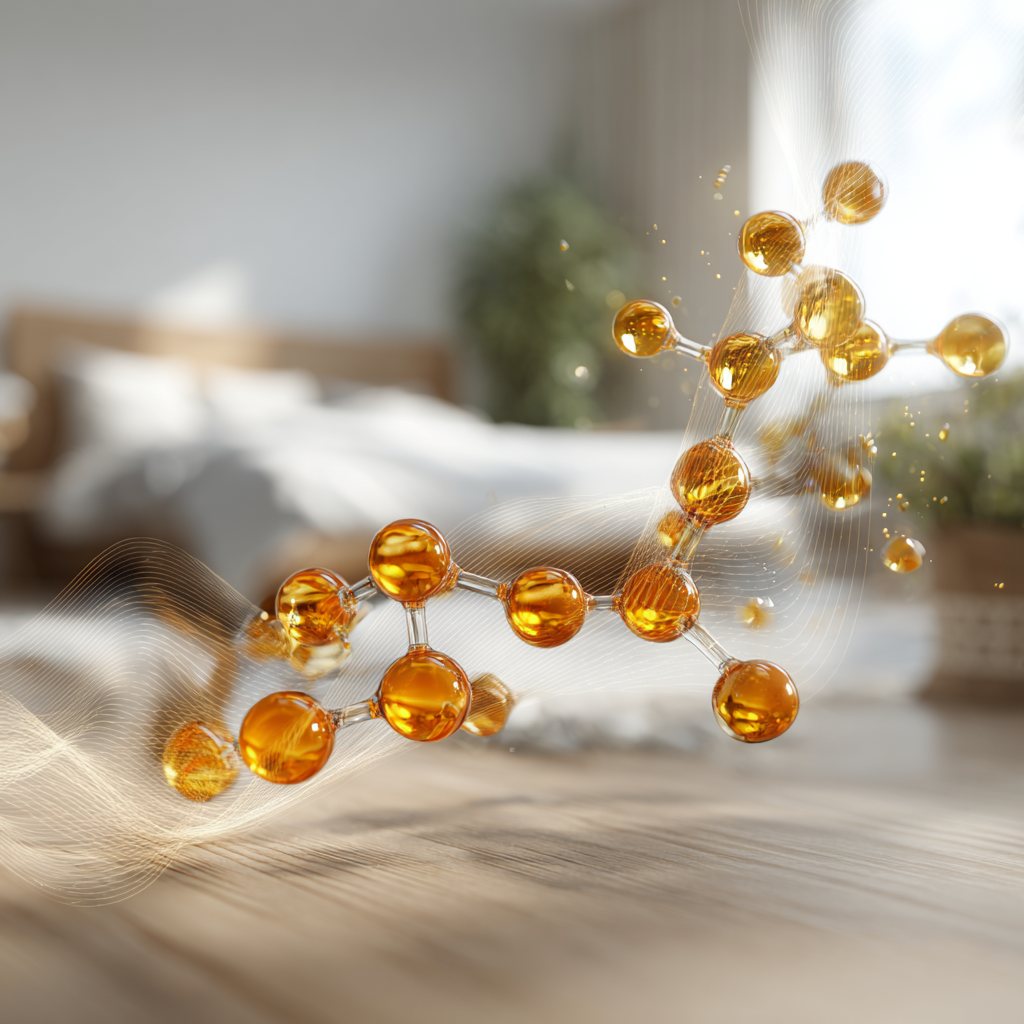
The formation of a protein from amino acids in the human body is a very rapid process, highly orchestrated by the cell.
Here are the main stages and their duration:
1. Transcription of DNA into messenger RNA (mRNA)
-
Duration: a few seconds to a few minutes
-
DNA in the nucleus is "copied" into a message (mRNA) coding for a protein.
2. Translation of mRNA into protein (assembly of amino acids)
-
Duration: around 20 to 60 seconds for a small protein (~100 amino acids)
-
The ribosome reads the mRNA and assembles the amino acids one by one.
-
Average speed: around 5 to 20 amino acids per second.
So, a protein of 300 amino acids will take around 15 to 60 seconds to be synthesised.
3. Folding and modification of the protein (maturation)
-
Duration: from a few seconds to a few minutes
-
The amino acid chain folds into 3D (secondary/tertiary structure).
-
Some proteins also undergo modifications (addition of groups, etc.).
Conclusion 1:
A functional protein can form on average in 1 to 5 minutes from the activation of its gene.
This time varies depending on:
-
the size of the protein,
-
the complexity of folding,
-
and the cellular environment (stress, illness, etc.).
Each peptide bond emits a vibration
1. Each peptide bond emits a vibration
When two amino acids join together, they create a peptide bond.
This bond is chemical, but like any molecular interaction, it induces a change in energy structure.
Yet any change in energy implies a vibrational frequency, however minute, notably in the infrasonic range or the scale of quantum oscillations.
2. The amino acid chain vibrates like a string
As the amino acids assemble, the peptide chain lengthens…
And like a guitar string, the longer and more structured it is, the more complex a spectrum of vibrations it produces.
We can therefore hear (by transposition) an assembly sequence as a vibrational melody, each amino acid being a note.
3. A protein = a score
Each complete protein is like a unique musical score, encoded not in notes but in amino acids, with:
repetitive patterns (like choruses),
changes in intensity (secondary structure, twists, etc.),
an overall harmony (tertiary/functional structure).
And above all:
The folding of the protein is a true "vibrational harmonisation" that determines its function.
Conclusion 2:
Yes, each amino acid can be perceived as a vibrational note.
When they assemble, these notes form a biological musical phrase, a sequence that the body plays and records at each protein synthesis.
And when the protein folds, it becomes a unique molecular symphony, perfectly orchestrated.
Since our birth — and even long before, through the information inscribed in our genes and our cellular memories — our body has learned to recognise these musics arising from vibrations.
Thus, when it picks up certain frequencies, notably those identical to those of amino acids, it identifies them spontaneously.
Better still: it knows which "biological music" is being replayed, and can activate in response the same regulatory mechanisms: production of hormones, enzymes, antibodies, or any other dynamic of self-healing.
Amino acid frequencies (NeuroSound) - PDF
- Samuel Vallee (Founder of NeuroSound)

